
Gallbladder Removal in Limassol, Cyprus
Gallstones and gallbladder disease are common and, once they cause symptoms, removing the gallbladder is the definitive treatment. Dr. Koulouteris performs gallbladder removal laparoscopically — through a few small incisions, with a fast and comfortable recovery.
- Technique
- Laparoscopic cholecystectomy
- Anaesthesia
- General anaesthesia
- Procedure time
- Approx. 45–90 minutes
- Hospital stay
- Day-case or one overnight stay
- Return to light activity
- Around 1 week
- Private or through GESY
- These operations are covered both within GESY and privately and/or through insurance funds.
What is gallbladder removal?
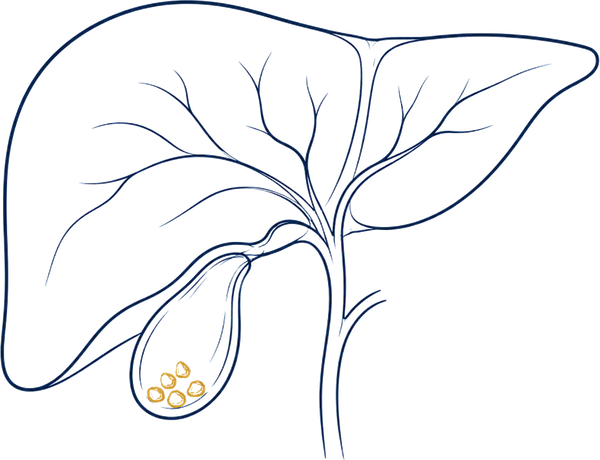
The gallbladder is a small, pear-shaped organ that sits beneath the liver and stores bile, a fluid that helps digest fat. When gallstones form, they can block the flow of bile and cause pain, inflammation and other complications.
Gallbladder removal — known medically as a cholecystectomy — is the standard, definitive treatment for symptomatic gallstones and gallbladder disease. The body adjusts well to life without a gallbladder, and bile simply flows directly from the liver into the intestine. Dr. Koulouteris performs the operation laparoscopically wherever possible, through a few small incisions rather than one large one.
Signs & symptoms of gallbladder problems
Gallstones do not always cause symptoms, but when they do, an assessment is important. Watch for:
- Pain in the upper right or central abdomen, often after fatty meals
- Pain that spreads to the back or the right shoulder blade
- Episodes of intense, cramping pain lasting from minutes to hours
- Nausea or vomiting alongside the pain
- Bloating, indigestion or discomfort after eating
- Yellowing of the skin or eyes, or unusually dark urine
When to seek urgent care
Seek medical attention immediately if abdominal pain is severe and constant, or is accompanied by fever and chills, yellowing of the skin or eyes (jaundice), or persistent vomiting — these may indicate inflammation, infection or a blocked bile duct that needs prompt treatment.
How laparoscopic gallbladder removal is performed
Laparoscopic cholecystectomy removes the gallbladder through a few small incisions using a camera and fine instruments. Where needed, the bile duct can also be checked during the operation. The laparoscopic approach means less pain and a quicker recovery than open surgery.
- 01
Consultation & assessment
A clinical examination and an ultrasound or other imaging confirm gallstones or gallbladder disease. The operation and any preparation are discussed and agreed with you.
- 02
Anaesthesia
The operation is carried out under general anaesthesia.
- 03
Laparoscopic removal
A few small incisions allow a camera and fine instruments to be introduced; the gallbladder is carefully separated and removed. If needed, a cholangiogram checks the bile duct.
- 04
Closure & recovery room
The small incisions are closed and dressed. You are monitored in the recovery area before returning home the same day or staying one night.
What to know before your surgery
- 01You will usually be asked to stop eating and drinking for several hours before the operation.
- 02Tell the Doctor about all medication you take — some blood-thinning medicines may need to be paused.
- 03Arrange for someone to drive you home and, ideally, to stay with you for the first 24 hours.
- 04A lighter, low-fat diet in the days before surgery can help — the Doctor will advise.
What recovery looks like
Recovery after laparoscopic gallbladder removal is usually quick. The timeline below is a general guide — your individual recovery depends on your overall health and whether any complications were present.
Day 1–2
Some soreness around the incisions and, occasionally, shoulder-tip discomfort from the laparoscopic technique are normal and settle quickly. Gentle walking is encouraged.
Week 1
Most everyday activities and desk-based work can usually be resumed. Avoid heavy lifting.
Weeks 2–3
Energy returns and most restrictions ease. A follow-up appointment confirms healing is progressing well.
Beyond 3–4 weeks
Most patients return to full activity and exercise once cleared by the Doctor. A balanced diet helps digestion adjust.
Contact the clinic if you notice
- •Increasing abdominal pain, redness or swelling around an incision
- •Fever, or discharge from a wound
- •Yellowing of the skin or eyes after surgery
- •Persistent nausea, vomiting or inability to eat or drink
Frequently asked questions
Yes. The gallbladder stores bile but is not essential — after removal, bile flows directly from the liver into the intestine. Most people eat and digest normally, though some prefer to reintroduce very fatty foods gradually.
Discuss gallbladder treatment with Dr. Koulouteris
If gallstones are affecting your daily life, a consultation is the first step. Book an appointment for a clear assessment and a tailored treatment plan.
This information is reviewed by Dr. Eleftherios Koulouteris, General & Laparoscopic Surgeon. It is for general guidance only and does not replace a personal medical consultation.