
Skin Lesion Removal in Limassol, Cyprus
Moles, lipomas, cysts and ingrown nails are common and usually harmless, but can be uncomfortable, bothersome or simply unwanted. Dr. Koulouteris removes them with quick, minor surgical procedures, with care taken over a tidy result.
- Conditions treated
- Moles, lipomas, sebaceous cysts, ingrown nails and similar
- Anaesthesia
- Local anaesthesia
- Procedure time
- Approx. 15–45 minutes
- Hospital stay
- In most cases no hospital admission is needed
- Return to routine
- Usually the same or next day
- Private or through GESY
- These operations are covered both within GESY and privately and/or through insurance funds.
What is skin lesion removal?
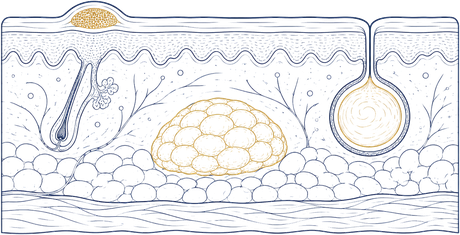
Skin lesion removal involves removing common, mostly benign growths such as moles (nevi), lipomas (soft fatty lumps), sebaceous cysts and problematic ingrown nails.
These are usually removed because they are bothersome, catch on clothing, are growing or changing, or for cosmetic reasons. Most procedures are short and carried out under local anaesthesia as a day case. As a rule, whatever is removed is sent for laboratory analysis (biopsy).
When to consider removal
You may wish to have a skin lesion assessed or removed if:
- A lump or growth catches on clothing or jewellery, or gets nicked when shaving
- A lesion is painful, inflamed or repeatedly becomes infected
- A lipoma or cyst is growing or causing discomfort
- An ingrown nail is painful, swollen or recurring
- A mole is changing in size, shape or colour, or is new and unusual
- A lesion is in a visible place and you would simply prefer it removed
Have a changing mole checked
Any mole that is changing in size, shape, colour or border, that itches or bleeds, or that simply looks different from your others, should be assessed promptly. Most are harmless, but early assessment is important so that anything that needs attention is found quickly.
How skin lesion removal is performed
Most skin lesions are removed in a short, straightforward procedure under local anaesthesia. The exact method depends on the type, size and location of the lesion.
- 01
Consultation & assessment
The lesion is examined and the best method of removal discussed; any concerns are noted.
- 02
Local anaesthesia
The area is numbed with a local anaesthetic, so the procedure itself is not painful.
- 03
Removal
The lesion is removed completely; the wound is closed with fine stitches where needed, with attention to a neat result.
- 04
Analysis & aftercare
Where appropriate, the removed tissue is sent for laboratory analysis, and you are given simple wound-care advice.
What to know before your procedure
- 01Most skin lesion removals need little preparation and are done as a quick day-case procedure.
- 02Tell the Doctor about all medication you take — some blood-thinning medicines may need to be paused.
- 03Mention any allergies, including to local anaesthetic or dressings.
- 04You can usually drive yourself home, as only local anaesthesia is used.
What recovery looks like
Recovery from minor skin surgery is usually quick and straightforward. The timeline below is a general guide.
Day 1–2
Mild tenderness around the wound is normal as the anaesthetic wears off, and is easily managed. Keep the dressing clean and dry.
Week 1
Normal activities are usually resumed straight away. Any stitches are cared for as advised.
Weeks 2–3
Stitches, if used, are removed and the wound is well on its way to healing. Laboratory results, where taken, are discussed.
Beyond 3 weeks
The wound continues to settle and the scar gradually fades over the following months.
Contact the clinic if you notice
- •Increasing pain, redness, swelling or warmth around the wound
- •Fever, or discharge of pus from the wound
- •Bleeding that does not settle with gentle pressure
- •The lesion appearing to return at the same site
Frequently asked questions
The area is numbed with a local anaesthetic, so the procedure itself is not painful — you may feel a small sting or burning as it goes in. Mild tenderness afterwards, as the anaesthetic wears off, is normal and easily managed.
Discuss skin lesion removal with Dr. Koulouteris
Whether a lesion is bothering you or you would simply like it checked, a short consultation is the first step. Book an appointment with Dr. Koulouteris.
This information is reviewed by Dr. Eleftherios Koulouteris, General & Laparoscopic Surgeon. It is for general guidance only and does not replace a personal medical consultation.